
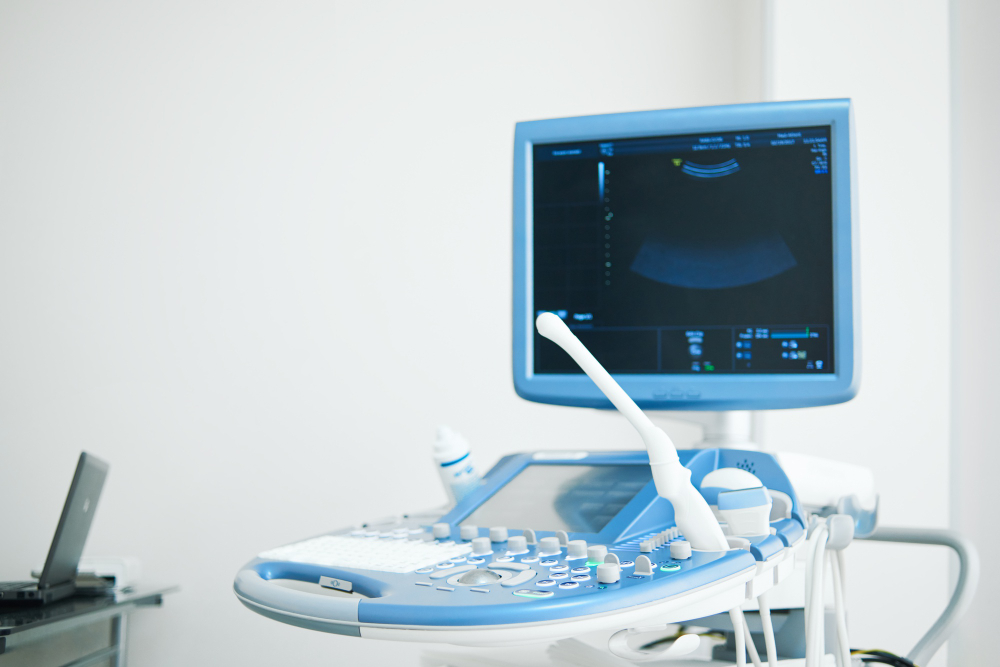
In modern preventive healthcare, early detection and clear diagnostics play a critical role in maintaining long-term wellness. Among the various non-invasive diagnostic tools available today, the ultrasound scan remains one of the most widely used, safe, and effective methods for evaluating internal organs and monitoring body functions.
Whether you are experiencing unexplained discomfort, monitoring a pregnancy, or considering a comprehensive health check-up, understanding how an ultrasound scan works can help you make well-informed decisions for you and your family.
📌 Key Article Takeaways (Quick Summary)
- What It Is: A safe, non-invasive imaging method that uses high-frequency sound waves (not radiation) to view real-time pictures of internal organs, tissues, and blood flow.
- Primary Uses: Commonly recommended for evaluating abdominal organs (liver, kidneys, gallbladder), pelvic health (uterus, ovaries, prostate), and monitoring pregnancy milestones.
- Key Benefits: Zero radiation exposure, painless, fast (usually 15–30 minutes), and safe for patients of all ages, including pregnant mothers.
- How to Prepare: Abdominal assessments typically require 6–8 hours of fasting; pelvic evaluations generally require a full bladder for clear imaging.
- Next Steps: If you are experiencing persistent abdominal discomfort or planning an annual preventive health assessment, consult a medical practitioner to discuss if a diagnostic scan is right for you.
What Is an Ultrasound Scan?
An ultrasound scan—frequently referred to as a sonogram—is a medical imaging procedure that uses high-frequency sound waves to generate real-time images of the inside of the body.
Unlike traditional X-rays or CT scans, ultrasound technology does not use radiation. Instead, it relies on sound waves bouncing off internal tissues and organs, converting those echoes into live visual images on a monitor. Because it carries no radiation risks, it is suitable for individuals of all ages, including pregnant mothers.
Key Benefits of Ultrasound Scans:
- Radiation-Free & Safe: Completely harmless for frequent monitoring.
- Non-Invasive: Causes minimal to no physical discomfort.
- Allows medical professionals to obserReal-Time Imaging: ve moving structures, such as blood flow or a fetal heartbeat, instantaneously.
Common Types of Ultrasound Scans
Depending on your symptoms or routine health evaluation goals, different types of ultrasound scans target specific body systems:
| Type of Scan | Target Areas | Common Health Applications |
|---|---|---|
| Abdominal Ultrasound | Liver, gallbladder, kidneys, pancreas, and spleen | Investigating abdominal pain, gallstones, fatty liver conditions, or kidney health. |
| Pelvic Ultrasound | Uterus, ovaries, bladder, and prostate | Evaluating pelvic discomfort, menstrual irregularities, or reproductive system wellness. |
| Obstetric / Prenatal Scan | Fetus and placenta | Monitoring fetal growth, developmental milestones, and maternal progress. |
| Thyroid Scan | Thyroid gland (neck area) | Checking for thyroid nodules, swellings, or metabolic assessment support. |
| Breast Scan | Breast tissue | Complementing routine wellness screenings and assessing tissue density or localized lumps. |
When Should You Consult a Doctor About a Scan?
While ultrasound technology is a diagnostic tool, knowing when to seek medical advice is the first step. You may want to discuss the suitability of an ultrasound scan with a primary care practitioner if you experience:
- Persistent Abdominal or Pelvic Discomfort: Ongoing bloating, localized pain, or digestive changes that do not resolve.
- Routine Executive Health Screenings: Many individuals incorporate abdominal or pelvic assessments into their annual wellness checks for baseline tracking.
- Pregnancy Milestone Monitoring: Ensuring proper growth and well-being throughout different gestational stages.
- Unexplained Swellings or Lumps: Any new or changing tissue soft-lumps on the neck, body, or breast area.
How to Prepare for an Assessment
If your doctor recommends an ultrasound scan as part of your health assessment, proper preparation helps ensure the clearest possible imaging results:
- For Abdominal Scans: Fasting from food for 6 to 8 hours prior to the appointment is usually advised to minimize gas in the digestive tract and ensure clear views of the liver and gallbladder.
- For Pelvic or Lower Abdomen Scans: Drinking 3 to 4 glasses of water roughly 1 hour before the evaluation (and holding your bladder) helps push bowel tissue aside for clearer imaging of pelvic structures.
- General Tip: Wear comfortable, loose-fitting two-piece clothing for ease during your consultation.